Ultimate Web Hosting Guide 2026: Everything You Need to Know About Hosting, Types, Performance, Security, and SEO
Complete and detailed guide about web hosting in 2026. Learn how hosting works, types of hosting (shared, VPS, cloud, dedicated), performance factors, SEO impact, security, pricing, and how to choose the best hosting provider for your website or business
 john
john

Ultimate Web Hosting Guide 2026: Everything You Need to Know
In 2026, web hosting is more important than ever because every digital business, online store, blog, and application depends on stable, fast, and secure hosting infrastructure. Without hosting, a website simply cannot exist on the internet.
Web hosting is not just a technical service anymore; it is a critical factor that affects performance, user experience, SEO rankings, conversions, and even brand reputation.
This guide explains everything in detail so you fully understand how hosting works and how to choose the best solution for your project.
What Is Web Hosting?
Web hosting is a service that stores your website files on powerful computers called servers and makes them accessible online 24/7.
These servers store all components of a website, including:
- Website code (HTML, CSS, JavaScript)
- Images and media files
- Databases
- Applications and backend systems
- Email systems (in some hosting plans)
When someone enters your domain name, the hosting server delivers the website content instantly to their device.
How Web Hosting Works (Detailed Explanation)
The hosting process happens in milliseconds and involves multiple steps:
- A user types your website domain into a browser
- The browser sends a request to the DNS system
- DNS finds the correct hosting server location
- The server processes the request
- Website files are retrieved from storage
- Data is compressed and optimized
- Content is delivered to the user’s browser
- The website is displayed on the screen
The speed of this entire process depends on server quality, optimization, and infrastructure.
Main Types of Web Hosting in 2026
Understanding hosting types is essential before choosing a provider.
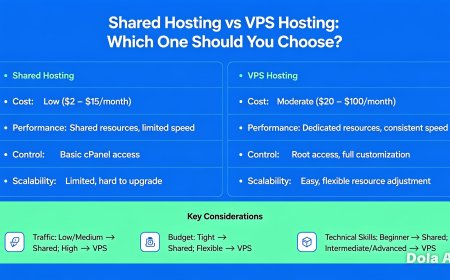
Shared Hosting
Shared hosting is the most basic and affordable option.
Multiple websites share the same server resources such as CPU, RAM, and storage.
Advantages:
- Very low cost
- Easy to use
- Beginner friendly
- No technical knowledge required
Disadvantages:
- Limited performance
- Slower during traffic spikes
- Less control over configuration
Best for small websites, personal blogs, and beginners.
VPS Hosting (Virtual Private Server)
VPS hosting divides a physical server into multiple virtual environments, each with dedicated resources.
Advantages:
- Dedicated CPU and RAM
- Better performance than shared hosting
- Full root access
- More customization
Disadvantages:
- Requires basic technical knowledge
- More expensive than shared hosting
Best for growing websites, developers, and online businesses.
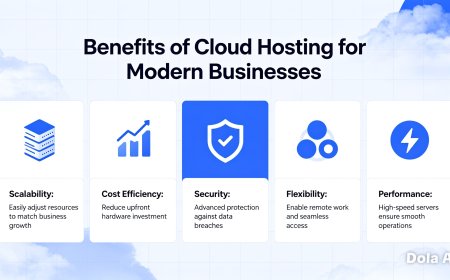
Cloud Hosting
Cloud hosting uses multiple interconnected servers instead of one physical machine.
Advantages:
- Extremely scalable
- High uptime and reliability
- Handles traffic spikes easily
- Flexible pricing models
Disadvantages:
- Pricing can vary based on usage
- Slightly more complex structure
Best for modern businesses, SaaS platforms, and high-traffic websites.
Dedicated Servers
Dedicated hosting provides an entire physical server exclusively for one user.
Advantages:
- Maximum performance
- Full control over hardware and software
- Highest level of security
- No resource sharing
Disadvantages:
- Higher cost
- Requires advanced technical skills
Best for enterprise systems, large eCommerce platforms, and high-performance applications.
Managed Hosting
Managed hosting includes full server management by the provider.
Advantages:
- No technical maintenance required
- Automatic updates and backups
- 24/7 support
- Optimized performance
Disadvantages:
- More expensive than unmanaged hosting
- Less technical control
Best for business owners and non-technical users.
Why Web Hosting Is Important
Web hosting directly affects the success of your online presence.
1. Website Speed
Faster hosting improves user experience and conversions.
2. SEO Performance
Google ranks fast and stable websites higher.
3. Security Protection
Good hosting protects against cyberattacks and malware.
4. Uptime Reliability
High-quality hosting ensures your website is always online.
5. User Experience
Smooth performance increases engagement and trust.
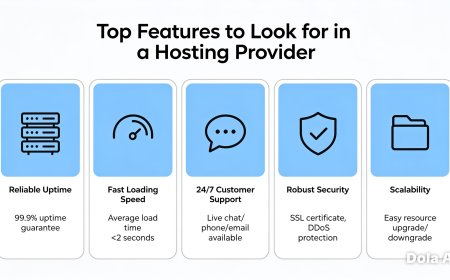
Key Hosting Features to Look For in 2026
When choosing a hosting provider, you should always consider:
- SSD or NVMe storage
- 99.9% uptime guarantee or higher
- Free SSL certificate
- Daily automated backups
- DDoS protection
- Scalable resources
- 24/7 technical support
- Optimized server architecture
Web Hosting vs Domain Name
Both are required to run a website.
| Feature | Domain | Hosting |
|---|---|---|
| Purpose | Website address | Website storage |
| Function | Name users type | Files stored on server |
| Required | Yes | Yes |
SEO Impact of Web Hosting
Web hosting plays a major role in SEO ranking factors:
- Page loading speed
- Server response time
- Website uptime
- Core Web Vitals
- Security (HTTPS)
- Mobile performance
Poor hosting can significantly damage SEO performance.
Who Needs Web Hosting?
Web hosting is required for:
- Businesses
- E-commerce stores
- Blogs and content sites
- SaaS platforms
- Developers and agencies
- Personal brands
Future of Web Hosting in 2026 and Beyond
Hosting technology continues evolving with:
- Artificial intelligence optimization
- Edge computing infrastructure
- Fully automated scaling systems
- Advanced cybersecurity protection
- Eco-friendly green data centers
- Serverless architecture integration
The future of hosting is faster, smarter, and more automated.
Final Conclusion
Web hosting is the backbone of the entire internet in 2026. It determines how fast, secure, and reliable your website will be.