VPS Hosting: What It Is, How It Works, and Why Your Website Needs It in 2025
Discover what VPS Hosting is, how it works, its advantages over shared hosting, and why businesses are switching to VPS servers for better performance and security in 2025.
 john
john
What Is VPS Hosting?
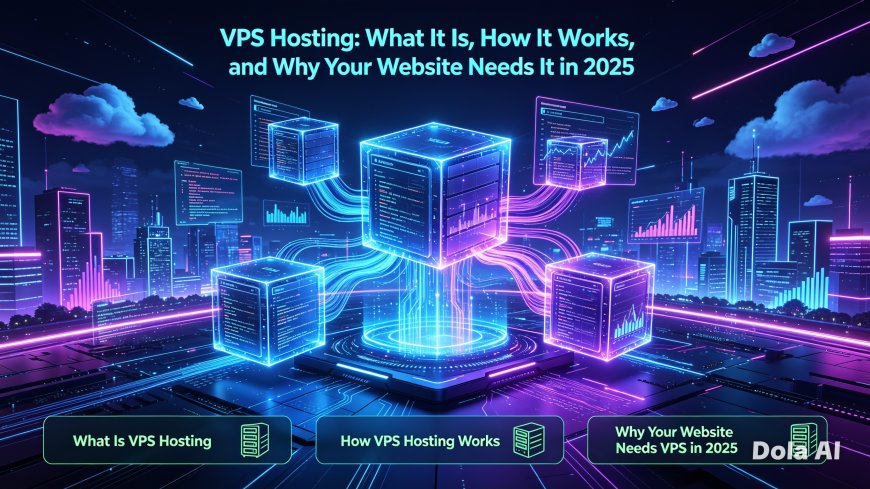
VPS Hosting (Virtual Private Server Hosting) is a web hosting solution that provides dedicated resources within a virtualized server environment. Unlike shared hosting, where multiple websites compete for the same resources, a VPS allocates specific CPU, RAM, and storage resources to each user.
This means your website enjoys better performance, enhanced security, and greater control without the high cost of a dedicated server.
As websites continue to grow in complexity and traffic demands, VPS hosting has become one of the most popular hosting solutions for businesses, developers, eCommerce stores, and growing websites.
How Does VPS Hosting Work?
A physical server is divided into multiple virtual servers using virtualization technology. Each virtual server operates independently and has its own:
- Operating System
- CPU Allocation
- RAM Resources
- Storage Space
- Software Environment
Even though multiple VPS instances share the same physical machine, they function as completely separate servers.
This isolation provides greater reliability and performance compared to traditional shared hosting.
Benefits of VPS Hosting
1. Better Performance
One of the biggest advantages of VPS hosting is consistent performance.
Since resources are dedicated to your virtual server, your website won't be affected by traffic spikes or resource abuse from other users.
Key Benefits:
- Faster loading speeds
- Better user experience
- Improved search engine rankings
- Increased website reliability
2. Enhanced Security
Security is a top priority for businesses operating online.
VPS hosting offers a more secure environment because each server is isolated from others.
Security Features:
- Server isolation
- Firewall configuration
- Dedicated IP addresses
- Advanced security settings
- Malware protection options
This makes VPS hosting ideal for websites handling sensitive customer information.
3. Full Root Access
Unlike shared hosting, VPS hosting typically provides root access.
This allows you to:
- Install custom applications
- Configure server settings
- Manage security policies
- Optimize performance
- Deploy specialized software
Developers and IT professionals especially benefit from this level of control.
4. Scalability
As your business grows, your hosting needs will change.
VPS hosting allows you to easily upgrade resources such as:
- CPU
- RAM
- Storage
- Bandwidth
This flexibility ensures your website can handle increasing traffic without downtime.
5. Cost-Effective Solution
A dedicated server can be expensive for small and medium-sized businesses.
VPS hosting provides many of the same benefits at a fraction of the cost.
This makes it one of the best investments for growing online businesses.
VPS Hosting vs Shared Hosting
| Feature | Shared Hosting | VPS Hosting |
|---|---|---|
| Performance | Basic | High |
| Security | Standard | Advanced |
| Root Access | No | Yes |
| Scalability | Limited | Excellent |
| Resource Allocation | Shared | Dedicated |
| Customization | Minimal | Extensive |
For websites expecting growth, VPS hosting is often the smarter long-term choice.
Managed VPS vs Unmanaged VPS
Managed VPS
The hosting provider handles:
- Server maintenance
- Security updates
- Monitoring
- Technical support
- Performance optimization
Best for businesses without a dedicated IT team.
Unmanaged VPS
You manage:
- Configuration
- Maintenance
- Security
- Troubleshooting
Ideal for developers and system administrators who need complete control.
Who Should Use VPS Hosting?
VPS hosting is ideal for:
eCommerce Websites
Online stores require fast loading times and strong security to protect customer data.
Growing Businesses
As traffic increases, VPS hosting provides the resources needed to maintain performance.
Developers
Developers benefit from root access and custom server configurations.
Agencies
Digital agencies managing multiple client websites often rely on VPS servers for flexibility and reliability.
High-Traffic Blogs
Content-heavy websites can experience traffic spikes that VPS hosting handles efficiently.
SEO Benefits of VPS Hosting
Many website owners don't realize that hosting affects SEO.
A quality VPS hosting environment can contribute to:
Faster Page Speed
Google considers page speed a ranking factor.
Better Uptime
Frequent downtime can negatively impact search rankings.
Improved User Experience
Faster websites reduce bounce rates and increase engagement.
Enhanced Core Web Vitals
Reliable server performance helps improve Google's Core Web Vitals metrics.
Common VPS Hosting Features
Most premium VPS providers include:
- SSD or NVMe Storage
- Dedicated Resources
- Root Access
- Control Panels
- Automated Backups
- DDoS Protection
- IPv4 & IPv6 Support
- Multiple Operating Systems
- Scalability Options
- 24/7 Technical Support
How Much Does VPS Hosting Cost?
Pricing varies depending on resources and management level.
Typical monthly costs:
- Entry-Level VPS: $5 – $20
- Mid-Range VPS: $20 – $80
- Business VPS: $80 – $200+
- Enterprise VPS: $200+
Managed VPS plans generally cost more but provide additional support and maintenance.
Final Thoughts
VPS Hosting remains one of the best hosting solutions in 2025 for businesses that need more power, security, and flexibility than shared hosting can provide. Whether you're running an eCommerce store, managing multiple websites, or preparing for rapid growth, a VPS server offers the perfect balance between performance and affordability.
Investing in a reliable VPS hosting solution can improve website speed, strengthen security, enhance SEO performance, and provide the scalability needed for long-term success online.